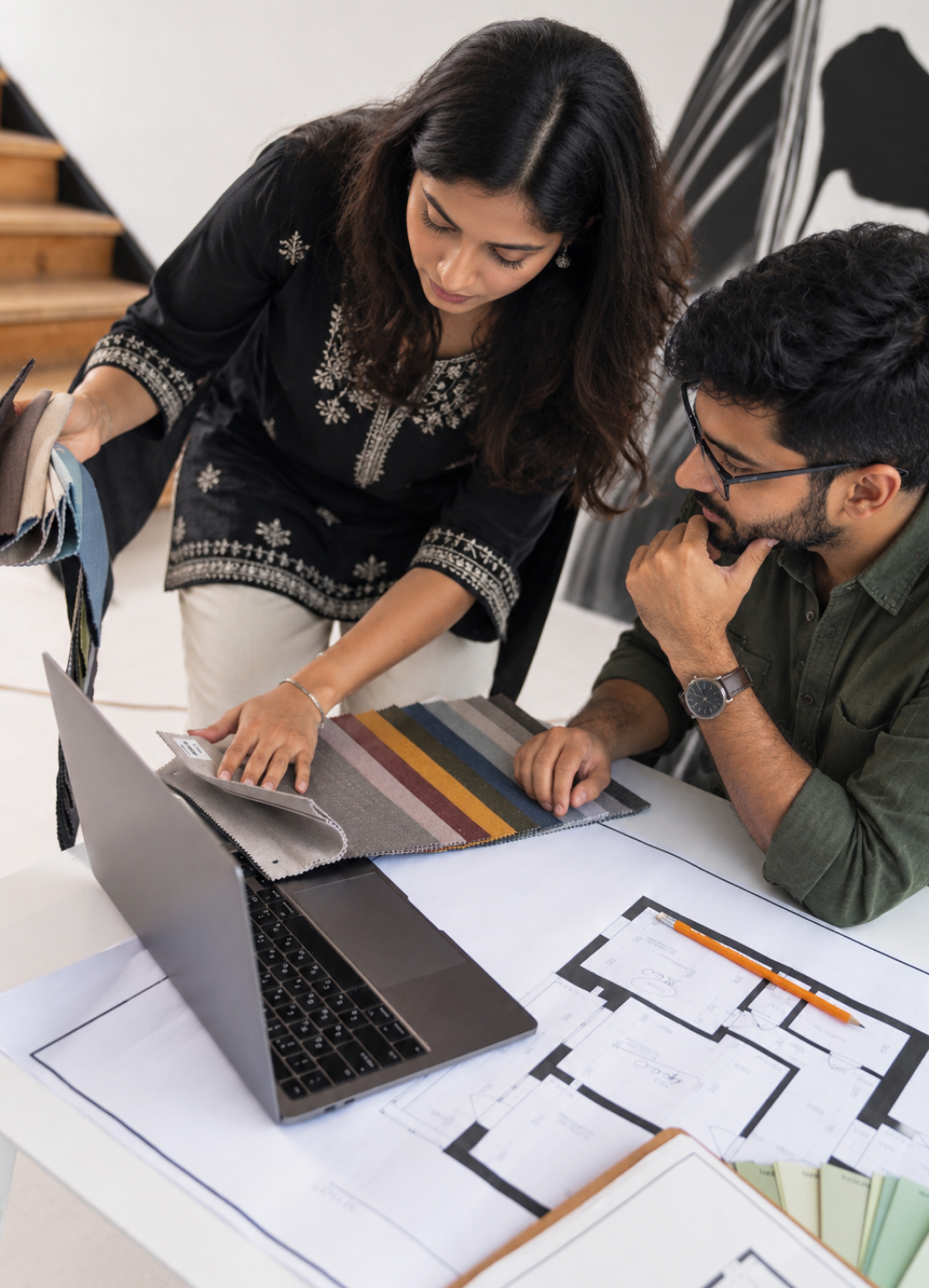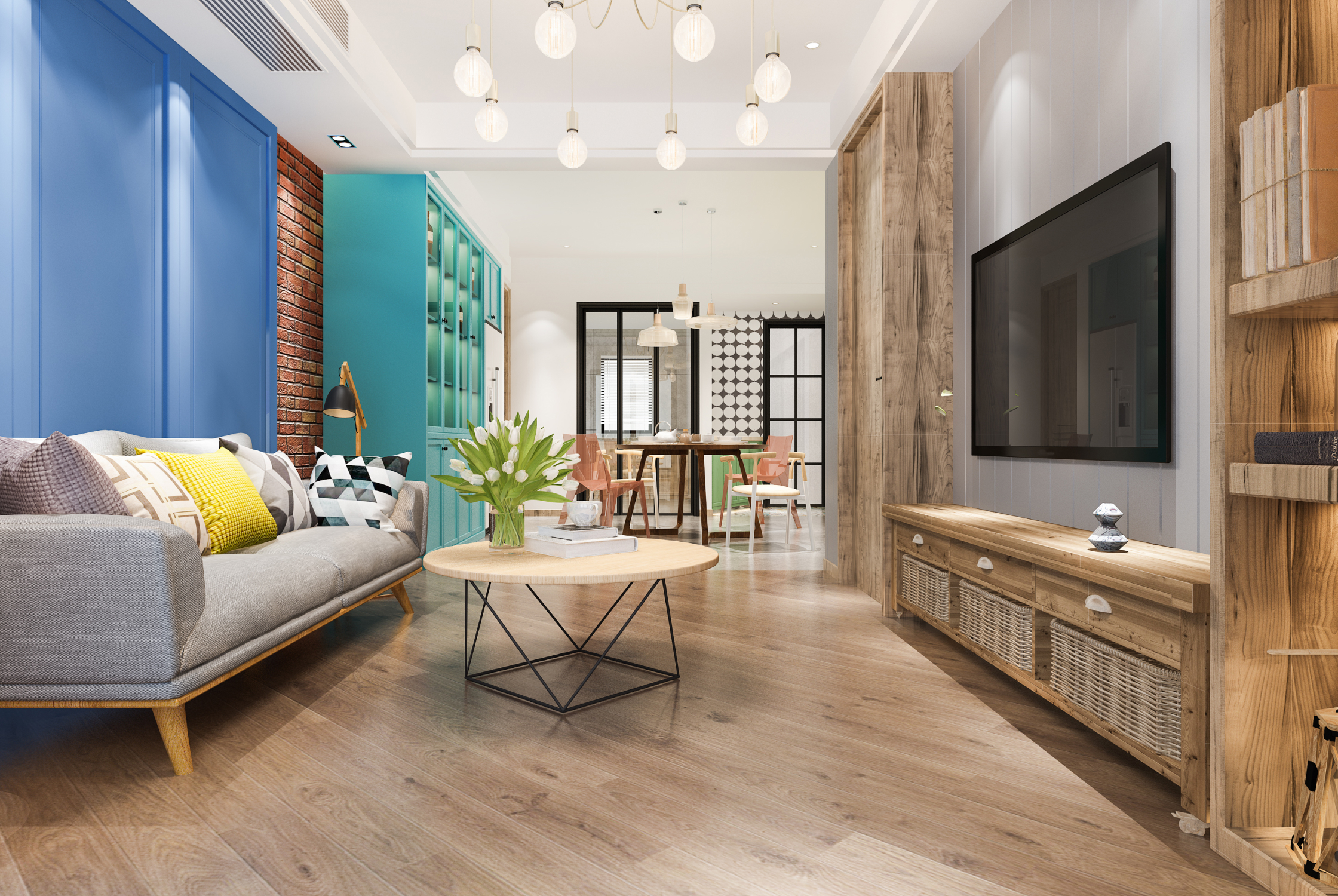
Living in a small apartment doesn’t mean you have to compromise on comfort, style, or functionality. With thoughtful planning, even a compact home can feel spacious, organised, and visually appealing. For homeowners in Ahmedabad, where apartments come in different layouts and sizes, the key is to make every square foot work harder without making the interiors feel crowded.
From choosing multifunctional furniture to incorporating clever storage solutions, the right design decisions can transform a small flat into a home that reflects your personality and supports your everyday lifestyle.
Whether you’re moving into a new apartment or renovating your existing space, these small apartment interior design ideas will help you create a home that balances aesthetics with practical living.
1. Start with Smart Space Planning
Before selecting furniture, colours, or decorative elements, understand how you use your space.
A well-planned layout can make a compact apartment feel more open without requiring structural changes. Identify the activities that take place in each area, such as relaxing, working, dining, or entertaining guests. This helps determine where furniture should go and how much clear space you need to move around comfortably.
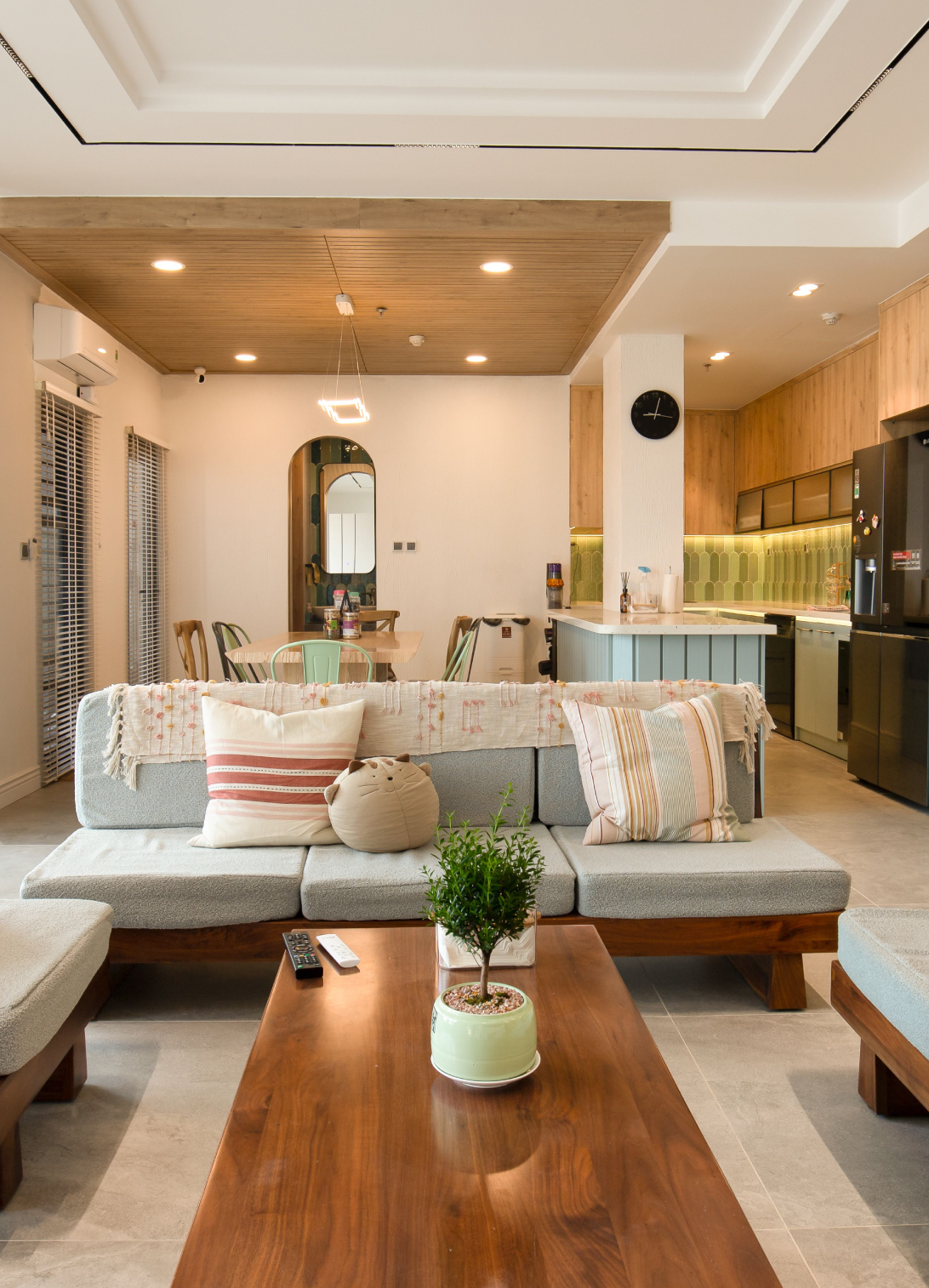
For example, an open living and dining area can make a small apartment feel connected and spacious. Positioning furniture thoughtfully can also create distinct zones without adding unnecessary partitions.
When planning a small apartment interior in Ahmedabad, consider your family’s daily routine, storage requirements, natural light, and the apartment’s existing layout. These details provide a stronger foundation for design decisions.
2. Choose Multifunctional Furniture
In a compact home, furniture should do more than serve one purpose. Pieces that combine functionality with good design can help you maximise available space while maintaining a clean, sophisticated appearance.
Consider these practical options:
- Storage beds: Use the space beneath the mattress to store extra bedding, seasonal clothing, and other essentials.
- Extendable dining tables: Keep the dining area compact for everyday use and expand it when guests arrive.
- Sofa beds: Create a flexible living space that can accommodate overnight guests.
- Nesting tables: Use them when needed and tuck them away when you want more floor space.
- Wall-mounted desks: Create a compact work-from-home setup without occupying an entire corner.
- Ottomans with storage: Add extra seating while keeping everyday items out of sight.
The goal is to select furniture that suits your lifestyle rather than filling every corner with individual pieces.
Custom furniture can be particularly useful when standard sizes don’t fit your apartment’s dimensions. An experienced interior design company in Ahmedabad can help plan furniture that works with your layout, storage needs, and preferred aesthetic.
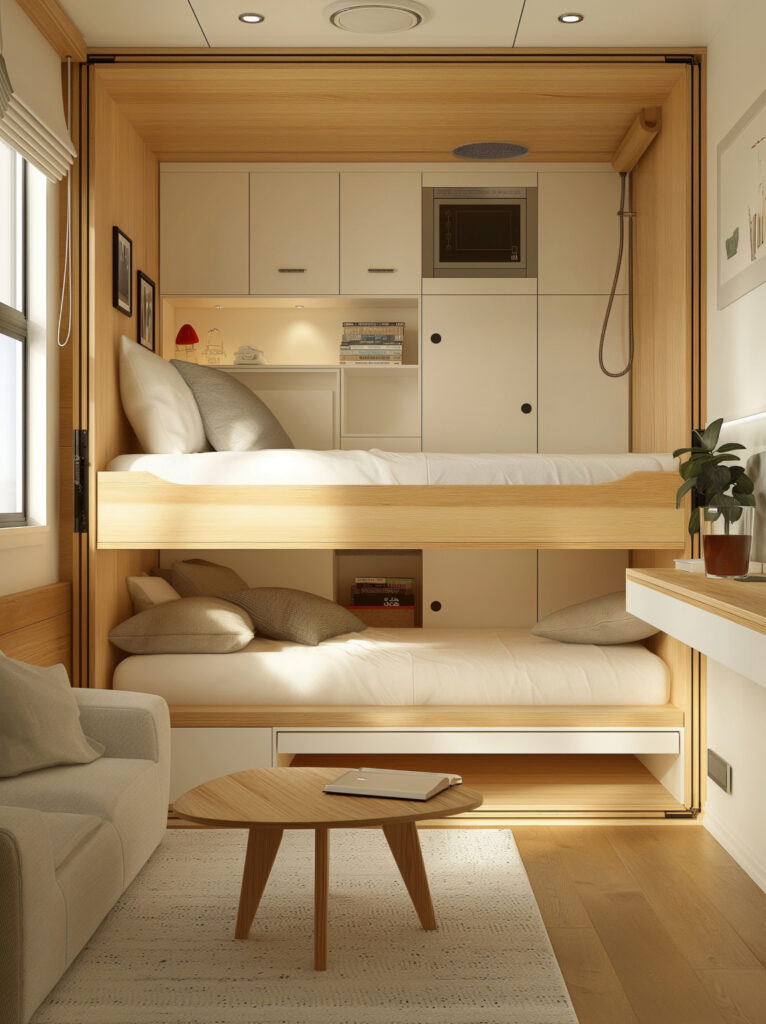
3. Make Vertical Storage Part of the Design
When floor space is limited, look upwards.
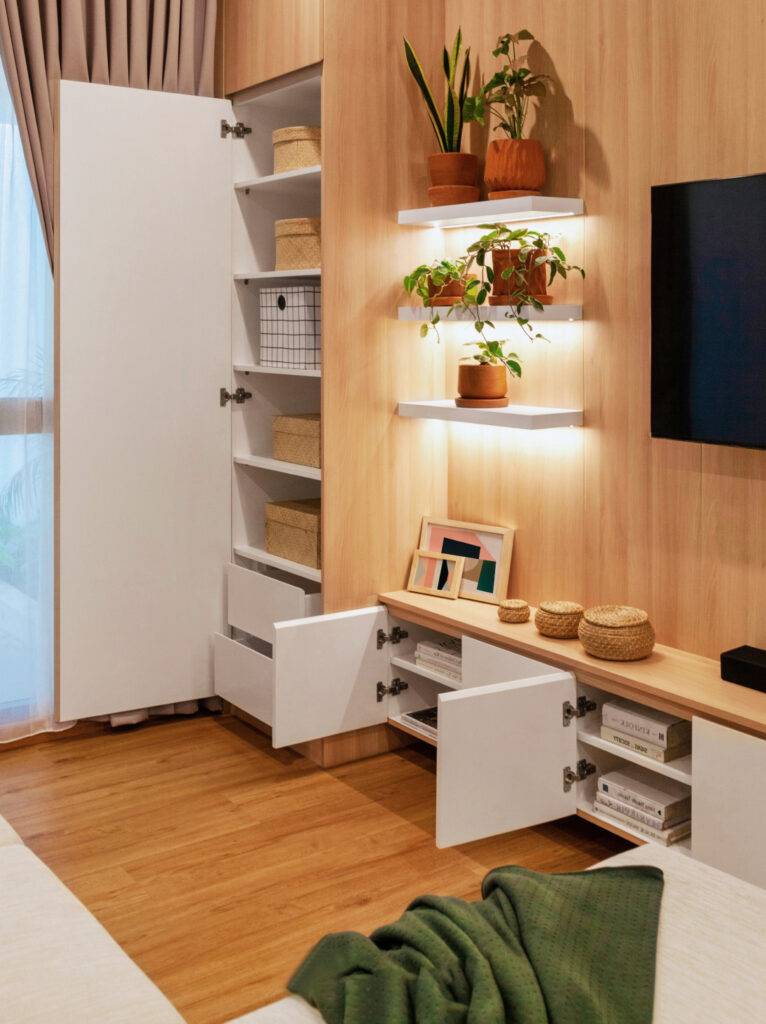
Walls offer valuable storage opportunities that are often overlooked in small apartments. Floor-to-ceiling wardrobes, tall shelving units, overhead cabinets, and floating shelves can increase storage capacity without taking up too much usable floor area.
For bedrooms, full-height wardrobes can accommodate clothing, accessories, luggage, and household essentials in one organised unit. In the living room, wall-mounted shelves can display books, artwork, and carefully selected decorative objects.
However, vertical storage needs to be planned thoughtfully. Too many open shelves or bulky cabinets can make a small room feel crowded. Combining closed storage with a few open display areas creates a more balanced look.
For a seamless finish, consider matching cabinet colours with the walls or using simple, handleless designs. This allows storage to blend into the interiors rather than becoming the room’s dominant feature.
4. Use Colours and Materials to Create a Spacious Feel
Colour plays an important role in how a room feels. Lighter shades can reflect natural light and help compact spaces appear brighter and more open.
Soft whites, warm beige, ivory, muted greys, and subtle earthy tones work well in many contemporary Ahmedabad homes. These shades also provide a versatile foundation for furniture, artwork, textiles, and accent pieces.
That doesn’t mean you need to avoid bold colours entirely. A deeper shade on one wall, colourful cushions, textured upholstery, or a distinctive piece of artwork can add personality without overwhelming the room.
Materials and finishes matter just as much as colour. Consider:
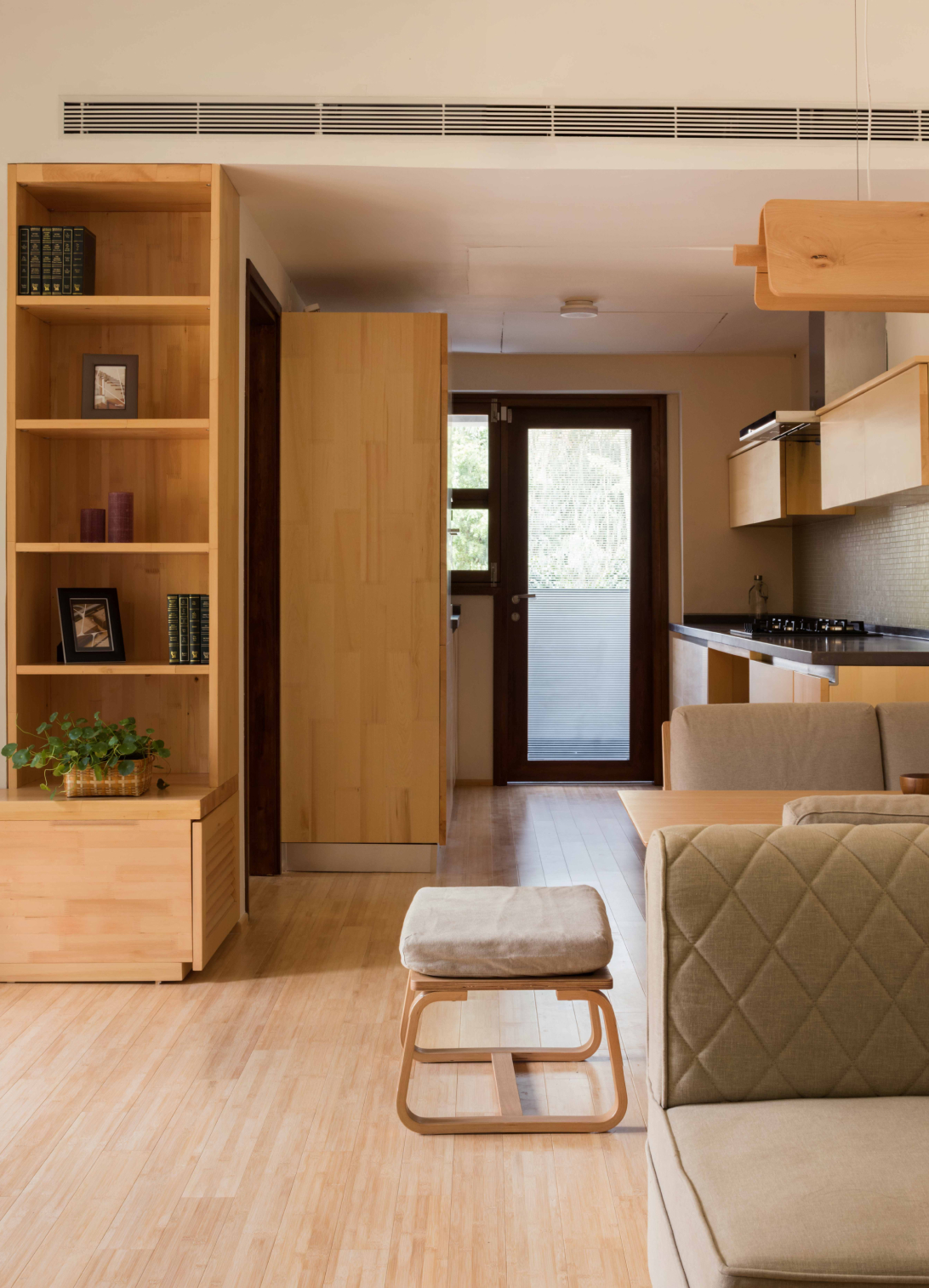
- Light wood finishes for warmth and visual balance.
- Glass elements to maintain an open feel.
- Subtle textures to add depth without excessive decoration.
- Consistent flooring across connected areas to create visual continuity.
- Reflective finishes in selected areas to help distribute light.
A cohesive material palette helps the apartment feel connected, making the available space appear more intentional and harmonious.
5. Make the Most of Natural Light and Layered Lighting
Good lighting can significantly change the atmosphere of a small apartment.
Start by allowing as much natural light as possible into the space. Choose lightweight curtains instead of heavy window coverings, avoid placing bulky furniture in front of windows, and keep window areas visually uncluttered.
Artificial lighting should serve different purposes throughout the home.
- Ambient lighting: Provides overall illumination for the room.
- Task lighting: Supports activities such as reading, cooking, and working.
- Accent lighting: Highlights artwork, architectural details, or selected decorative elements.
Instead of relying on a single ceiling light, combine different lighting sources to create depth and flexibility.
Recessed lights, wall sconces, under-cabinet lighting, and compact pendant lights can provide functional illumination without occupying valuable surface space.
For small apartment interior design in Ahmedabad, a well-planned lighting scheme can help create a brighter, more comfortable home while complementing the overall design.
6. Integrate Storage into the Architecture
Storage doesn’t always need to look like storage.
One of the most effective ways to design a compact apartment is to incorporate cabinets, niches, and concealed compartments into the overall architecture. This creates a more streamlined appearance while ensuring that everyday belongings have a designated place.
For example, a television unit can include closed cabinets for electronics and household items. A window seat can incorporate drawers beneath it. An entryway can feature a slim shoe cabinet, hooks, and a small storage bench.
In the bedroom, wardrobes can extend from floor to ceiling, while bedside units can be designed to suit the available space. In the kitchen, drawers, pull-out organisers, corner units, and overhead cabinets can improve accessibility and reduce clutter.
The most effective storage solutions are planned early in the design process. This allows dimensions, furniture placement, electrical points, and movement areas to work together rather than compete for space.
7. Keep the Living Room Open and Functional
The living room often serves several purposes in a small apartment. It’s where you relax, entertain guests, spend time with family, and sometimes work.
To make the space more functional, begin with the essentials. Choose a sofa that fits the room comfortably, select a proportionate coffee table, and avoid furniture that restricts movement.
A few simple ideas can make a noticeable difference:
- Choose a sofa with a compact profile and raised legs to maintain visual openness.
- Use wall-mounted television units to free up floor space.
- Replace oversized coffee tables with nesting tables or smaller alternatives.
- Add a rug to define the seating area without introducing a physical partition.
- Use a consistent colour palette to create a sense of continuity.
- Limit decorative accessories to pieces that add character or serve a purpose.
If your living and dining areas share the same space, maintain a clear distinction through furniture placement, lighting, or rugs.
A thoughtfully designed living room doesn’t need numerous decorative elements. The right proportions, textures, and layout can create a space that feels comfortable and refined.
8. Design a Bedroom That Feels Calm and Clutter-Free
A bedroom should support rest. In a small apartment, this means keeping the layout simple while making storage as efficient as possible.
Start by choosing a bed that suits the room’s dimensions. An oversized bed can restrict movement and leave little space for wardrobes or bedside tables.
Storage beds and built-in wardrobes are practical options, particularly when the room needs to accommodate clothing, linens, and personal belongings.
You can also make the bedroom more functional by:
- Using wall-mounted bedside shelves instead of bulky side tables.
- Incorporating wardrobe organisers for better use of internal space.
- Choosing sliding wardrobe doors where hinged doors would restrict movement.
- Installing wall lights or pendant lights to free up bedside surfaces.
- Keeping bedding, curtains, and wall colours within a coordinated palette.
If you need a dressing area or work corner, plan it around your available circulation space. Compact furniture and carefully positioned mirrors can help these additional functions fit naturally into the room.
The aim is to create a bedroom where everything has a place, and the design feels effortless rather than crowded.
9. Plan a Kitchen Around Everyday Convenience
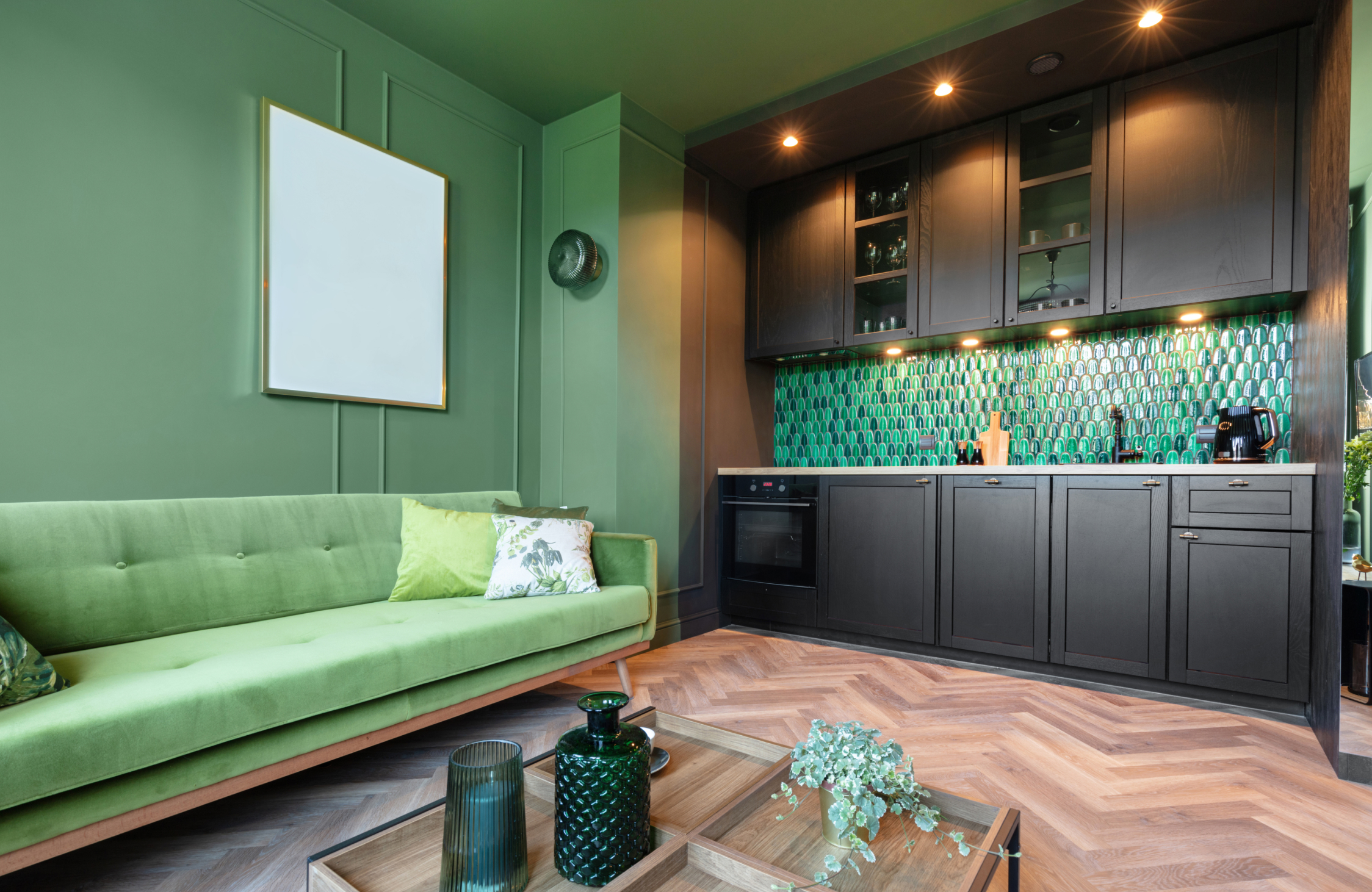
In many Ahmedabad apartments, the kitchen needs to accommodate cooking, storage, cleaning, and sometimes a washing machine or additional utility requirements.
The right layout depends on the available area, the position of plumbing and electrical points, and the way you cook.
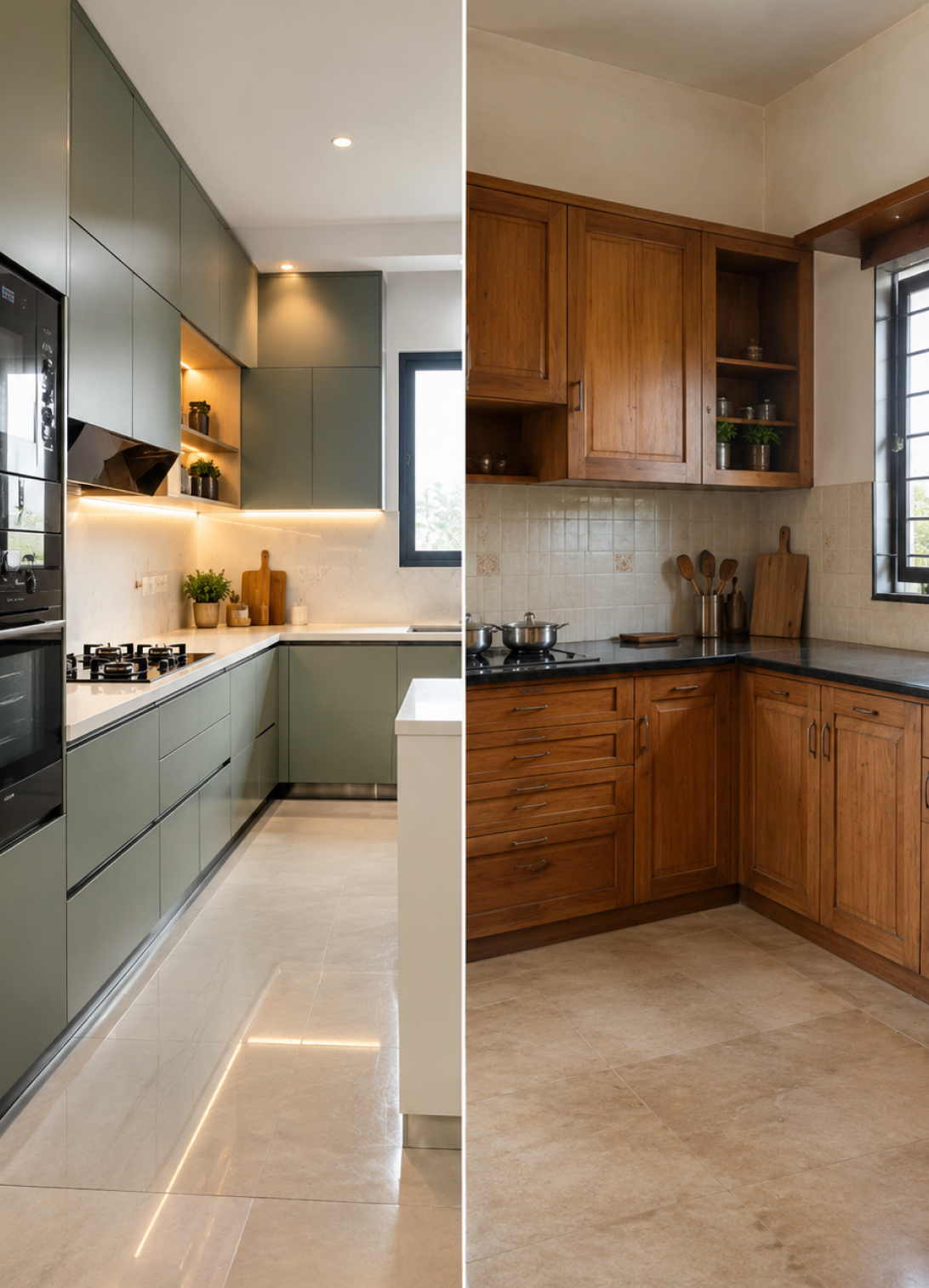
An L-shaped kitchen can make effective use of two adjoining walls, while a parallel layout may work well in a narrower space. A single-wall kitchen can be suitable for particularly compact apartments when storage and work surfaces are planned carefully.
Focus on practical details such as:
- Pull-out drawers for utensils and frequently used ingredients.
- Vertical organisers for trays, chopping boards, and baking sheets.
- Corner storage systems that make difficult-to-reach areas more accessible.
- Overhead cabinets that use available wall height.
- Under-cabinet lighting for better visibility while cooking.
- Easy-to-maintain materials suited to everyday use.
Keep frequently used items within convenient reach and avoid filling the countertop with appliances that can be stored elsewhere.
When comparing modular options with custom-made cabinetry, consider the kitchen’s dimensions, your budget, maintenance preferences, and long-term requirements. Experienced kitchen interior designers in Ahmedabad can help you evaluate these factors before finalising the layout and finishes.
10. Create Zones Without Adding Heavy Partitions
Open layouts can make small apartments feel more spacious, but different activities still need a sense of definition.
Instead of building full-height walls, use visual cues to establish separate zones. A rug can distinguish the living area from the dining space, while pendant lighting can give the dining table its own identity.
Other options include:
- Open shelving that provides separation without blocking light.
- A compact console table between the living and dining areas.
- Different lighting schemes for work and relaxation zones.
- Subtle changes in wall colour or material finishes.
- Furniture placement that naturally guides movement through the apartment.
If you work from home, a small desk in an unused corner or a wall-mounted workstation can create a dedicated work zone without requiring a separate room.
The key is to maintain visual connections between areas while giving each part of the apartment a clear purpose.
11. Personalise the Space Without Overdecorating
A compact apartment should reflect the people living in it. However, too many decorative elements can make the interiors feel busy.
Choose a few pieces that add meaning or visual interest, such as artwork, statement lighting, a textured accent chair, indoor plants, or objects collected during your travels.
Instead of displaying everything at once, rotate accessories occasionally. This keeps the space fresh without adding permanent clutter.
Mirrors can also be useful when placed thoughtfully. A mirror opposite or near a window may help distribute light and create a greater sense of depth. The effect depends on what the mirror reflects, so placement matters.
Personalisation works best when the overall design has a consistent foundation. Neutral backgrounds, coordinated materials, and well-planned storage allow selected details to stand out.
12. Invest in Quality Where It Matters Most
Designing a small apartment doesn’t necessarily mean spending more. It means allocating your budget to the elements that will have the greatest impact on everyday living.
Prioritise areas that are expensive or difficult to change later, including cabinetry, electrical planning, plumbing, flooring, and essential storage.
For furniture and decorative accessories, choose according to how frequently each item will be used. A well-made sofa, a durable dining table, and efficient kitchen storage may provide more long-term value than several decorative purchases.
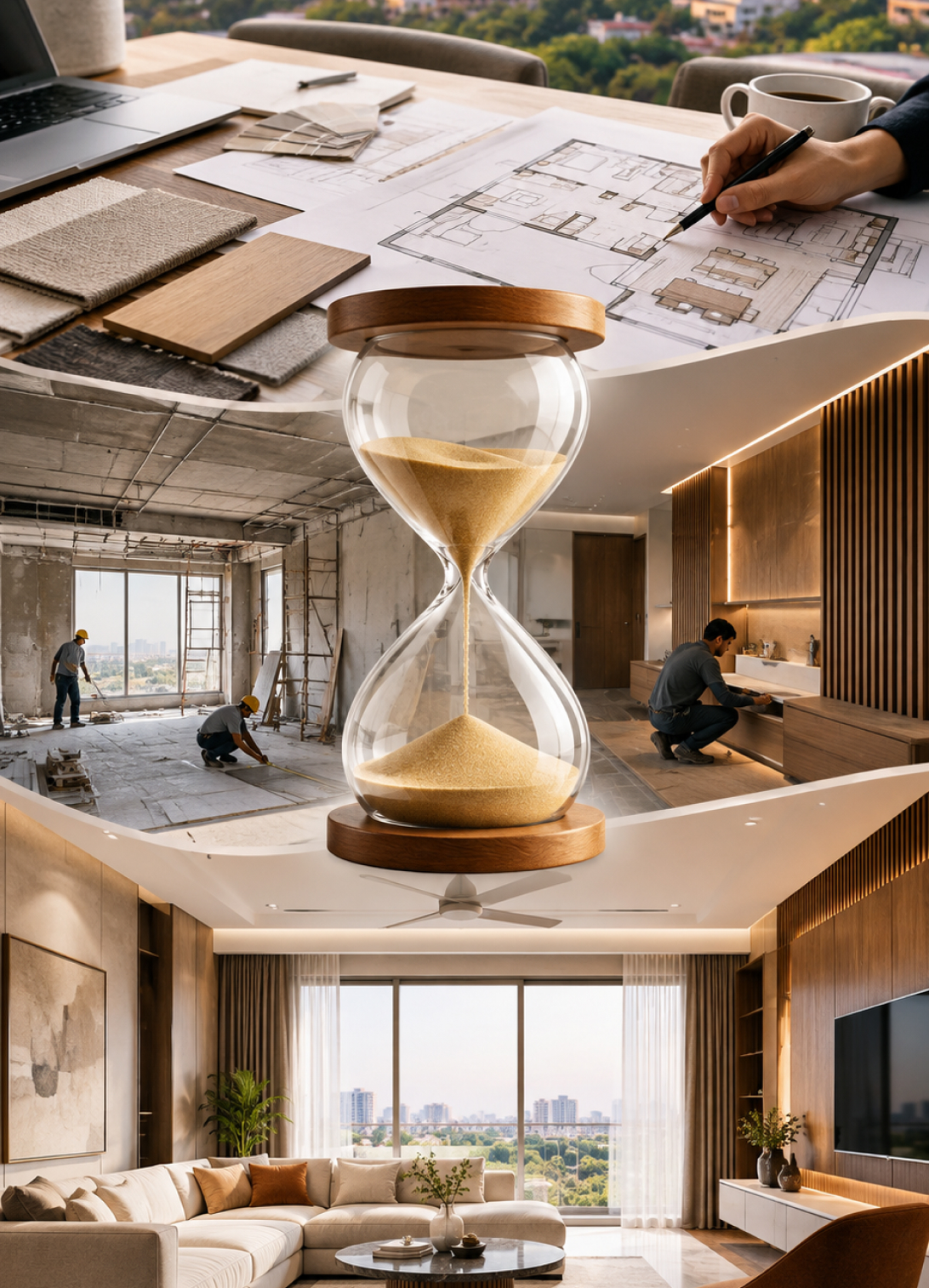
Before beginning the project, establish a realistic budget that includes design fees, materials, furniture, installation, labour, and a contingency for unexpected expenses.
Avoid making decisions based only on initial price. Materials, workmanship, maintenance requirements, and durability all influence the overall value of an interior project.
An experienced interior designer can help you balance these priorities and identify where custom solutions are worthwhile and where simpler options will work just as well.
13. Work with an Interior Designer Who Understands Compact Homes
Small apartment design requires careful coordination between aesthetics, furniture dimensions, storage, lighting, materials, and movement. A decision that looks good in isolation may not work once the entire room comes together.
Working with an experienced interior designer can help you approach these elements as one cohesive plan.
When evaluating interior designers in Ahmedabad, look beyond photographs of completed projects. Consider whether the designer understands your lifestyle, listens to your requirements, explains material choices, and plans for practical everyday use.
Review their approach to space planning, custom furniture, storage, lighting, and execution coordination. Discuss your budget and expectations early so that the proposed design reflects what is achievable.
At Ocean Design Studio, the approach to residential interiors centres on understanding the client’s vision and translating it into considered spaces through planning, design detailing, material selection, and execution coordination.
Whether you’re designing a compact apartment or a larger home, thoughtful planning can help create interiors that feel personal, functional, and visually balanced.
Final Thoughts
Designing a small apartment is about making thoughtful choices, not simply fitting more into less space. From multifunctional furniture and concealed storage to layered lighting and carefully selected materials, every decision should contribute to a home that feels comfortable, organised, and visually appealing.
For homeowners planning small apartment interiors in Ahmedabad, the most effective approach is to begin with everyday needs and build the design around them. A well-planned home should accommodate your routines, reflect your personality, and make the best possible use of the available space.
At Ocean Design Studio, we believe that good interior design brings beauty and functionality together. With thoughtful space planning, considered material choices, and solutions tailored to your lifestyle, even a compact apartment can feel distinctly yours.
Frequently Asked Questions (FAQs)
- How can I make a small apartment look bigger?
Use a coordinated colour palette, maximise natural light, select appropriately sized furniture, and keep walkways clear. Mirrors, concealed storage, and consistent flooring across connected spaces can also create a greater sense of openness.
- What is the best storage solution for a small flat?
The best solution depends on the apartment’s layout and your belongings. Floor-to-ceiling wardrobes, storage beds, built-in cabinets, wall-mounted shelves, and multifunctional furniture can help maximise available space without overcrowding the rooms.
- Which colours work best for small apartment interiors?
Soft white, ivory, beige, light grey, and muted earthy shades are popular choices because they can help reflect light and create visual continuity. Accent colours can be introduced through artwork, cushions, furniture, and selected walls.
- Is custom furniture worth it for a small apartment?
Custom furniture can be worthwhile when standard pieces don’t fit the available dimensions or storage requirements. It allows you to make better use of awkward corners, narrow walls, and unused vertical space. However, the decision should depend on your budget and practical needs.
- How much does small apartment interior design cost in Ahmedabad?
The cost depends on the apartment’s size, the scope of work, materials, furniture requirements, finishes, and level of customisation. A project focused on essential improvements will have different costs from a complete interior fit-out. Requesting a detailed estimate based on your layout and requirements is the best way to establish a realistic budget.
- How do I choose the right interior designer in Ahmedabad?
Look for a designer whose portfolio aligns with your preferences and whose process addresses both aesthetics and functionality. Discuss your budget, storage requirements, material preferences, project timeline, and execution responsibilities before making a decision.
- Can a small apartment have a luxurious interior?
Absolutely. Luxury is not determined by the size of a home alone. Thoughtful proportions, quality materials, considered lighting, custom detailing, and a cohesive design palette can create a sophisticated atmosphere even in a compact apartment.